
Portfolio Snapshot
From Istanbul, a library of hits built on player intuition.
A Turkish studio bridging hyper-casual fun and polished production. We don't just make games; we engineer the "one more round" feeling.
The Clickavo Portfolio: Playful Mechanics, Polished Execution
A curated look at our flagship titles. Each represents a distinct problem in mobile engagement, solved with our signature mix of clean UI and addictive feedback loops.

Stellar Match 3
4.8★Match-3 on floating islands with gravity physics. Key innovation: the board itself rotates, creating dynamic puzzle paths that static grids can't offer.
"The gravity mechanic is a game-changer. It makes the genre feel fresh again without complicating the core loop." — Indie Game Daily

Neon Beat Tap
One-touch rhythm. Syncopated audio for accessibility.
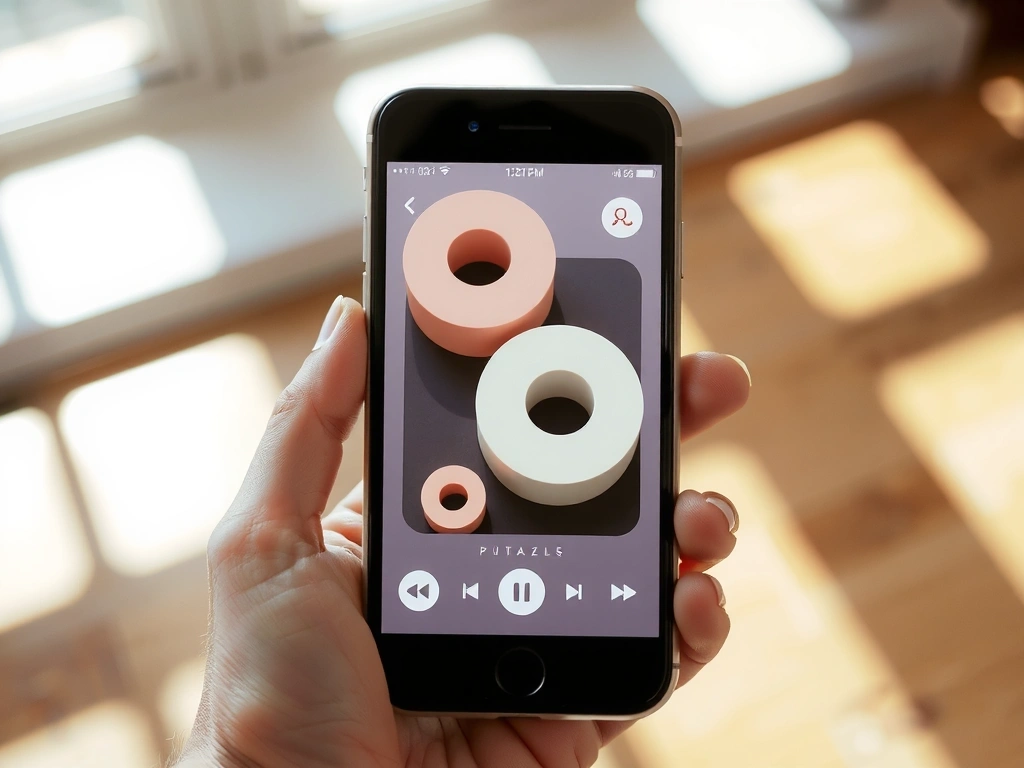
Mindful Slides
Educational puzzle. Teaches geometry through tactile play.
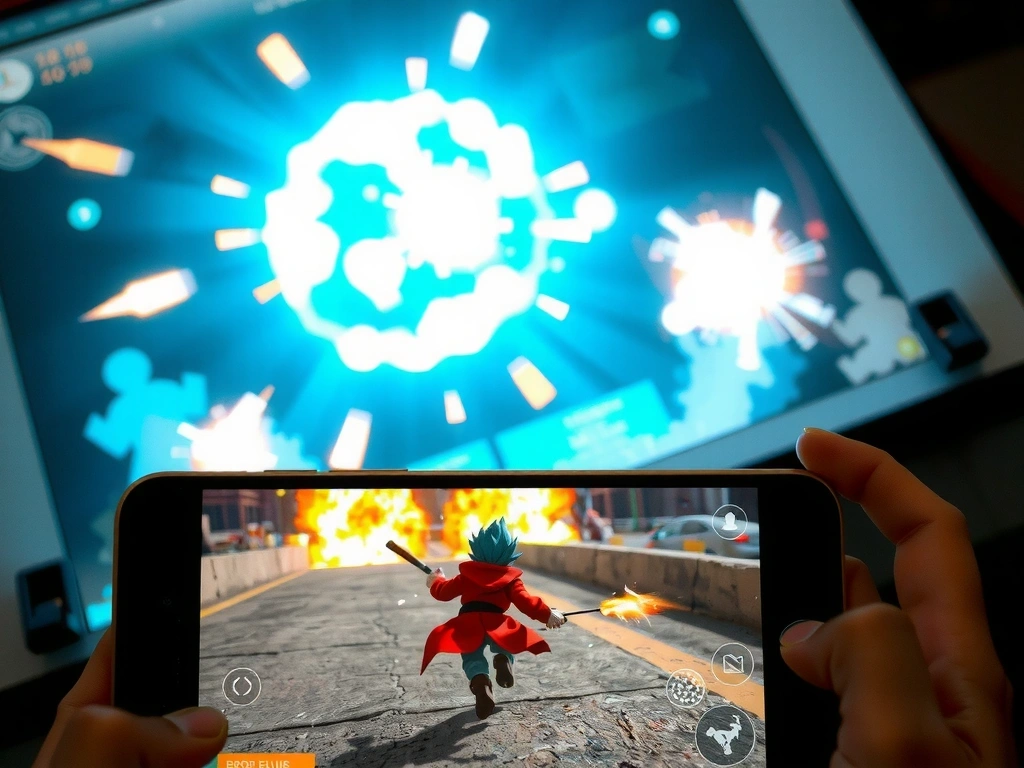
Pixel Dash
Hyper-casual runner. Optimized for 60fps on low-end devices.
Design DNA: The Clickavo Signature
Visual Motif
Soft gradients (FF3E6C → 1A1A2E), rounded corners, particle FX for feedback. Clarity over clutter.
Audio Logic
Satisfying "clicks" and "pops" mapped to user input. No ambient noise during core loops.
Friction Map
We intentionally slow down specific moments (post-victory) to let players process reward.
Specialization
Genre Focus: Where Clickavo Excels
We don't chase every trend. Instead, we specialize in genres where core mechanics are simple, but depth is emergent. Our expertise is in the space between "pick up and play" and "play for hours."
Match-3 Mastery: Unlike generic templates, our boards are dynamic. In Stellar Match 3, pieces have weight. They fall, settle, and create new patterns based on a simulated gravity field, not just random fill. This turns every move into a potential chain reaction.
Hyper-Casual to Hybrid: Our "Hyper-Casual Hit Factory" isn't about volume; it's about learning. We prototype 50 ideas in a week to distill 3 core mechanics. These often seed our hybrid titles, ensuring the core "feel" is proven before we add narrative or progression.
How We Evaluate Robustness
Constraints & Assumptions
Assumption
Players engage in sessions lasting 3-8 minutes, multiple times a day. Core fun must be deliverable in 30 seconds.
Boundary
Target devices are often mid-range (3+ year old). We assume 30fps as a minimum playable framerate, not a target.
What Changes Our View
If telemetry shows session length <1 minute, we re-evaluate the onboarding or core loop pacing. If a specific device model consistently underperforms, we add it to our "critical list" for optimization.
Failure Modes We Avoid
Method Note: The "Friction Audit"
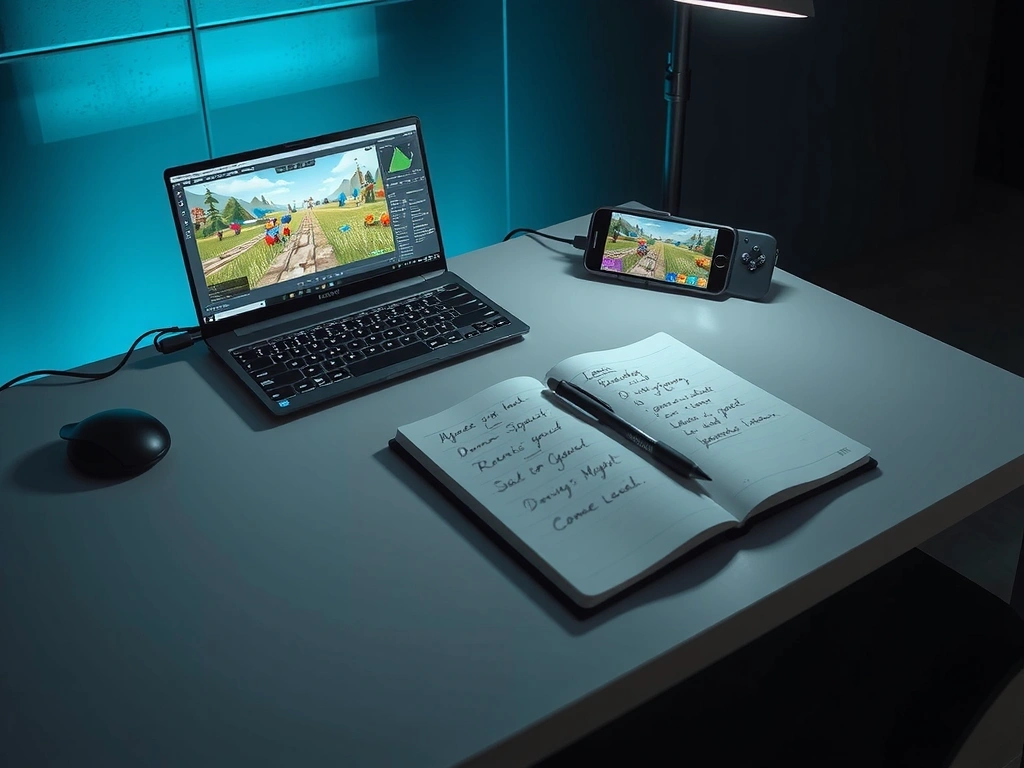
Our quality gate isn't just "does it crash?" It's a three-stage audit: 1. The Blind Playthrough: A new tester plays without any instruction. If they can't understand the goal in 45 seconds, we simplify. 2. The Marathon Session: A single tester plays for 60 minutes straight. We track points of fatigue or confusion (where do they stop playing?). 3. The Real-World Test: The build is distributed via TestFlight to a diverse beta group (different phones, networks, ages). We only proceed to launch if Day-1 retention in beta exceeds 40%. No exceptions.
The Clickavo Trade-Offs
Our choices aren't free. We're transparent about what we prioritize—and what we trade for it.
- We prioritize clarity over visual complexity. This means some "juicy" effects are stripped to keep the UI legible. Mitigation: We use other senses—audio feedback and screen shake—to add depth.
- We prioritize iteration over feature volume. We launch with a minimal, polished core loop. Mitigation: We commit to monthly content updates post-launch, feeding community feedback directly into the roadmap.
- We prioritize playability on old devices over cutting-edge graphics. This limits our visual scope. Mitigation: We double down on strong art direction—bold colors, clean shapes—that looks striking even at lower resolutions.
Ready to Build Your Idea?
From hyper-casual concepts to mid-core hybrids, we have the playbook.
Start a Project InquiryScenario Vignette
A partner from Berlin submits a concept for a "cozy puzzle." Our first call isn't about art—it's about the core loop. We ask: "What single tap action feels satisfying in the first 10 seconds?" We prototype that mechanic in a day. The visual theme follows the mechanic, not the other way around.
Method: The 1-Hour Test
Every build goes through a curated beta group. We don't just ask "Did you have fun?" We track: How many levels did they clear? Where did they stop? Would they recommend it to a friend? The data drives the next update cycle.
Constraint: The App Store Reality
High ratings are necessary but not sufficient. We also monitor player-reported issues. A game with a 4.5-star rating but a 20% churn rate on Day 7 has a deeper problem. We treat churn as a design bug, not a marketing issue.